
Prof. Dr. Aylin Kılıç Eye Diseases and Surgery
Dry eye syndrome is one of the common eye conditions that can directly affect our vision, and therefore our quality of life, in everyday living. Depending on its effect, it may cause vision to deteriorate over time and may also bring on burning and stinging sensations in the eye.

LipiFlow Treatment for Dry Eye
Dry eye is an eye condition that occurs when our eyes do not produce enough tears or when the tears produced evaporate too quickly. Because the surface of the eye does not stay as moist as it should, dryness and the resulting discomfort develop on the eye’s surface.
It can cause complaints such as burning, stinging, eye redness and excessive watering, and in advanced cases it also reduces the quality of vision. It is one of the conditions that directly affects a person’s quality of life and has a negative effect on eye health.
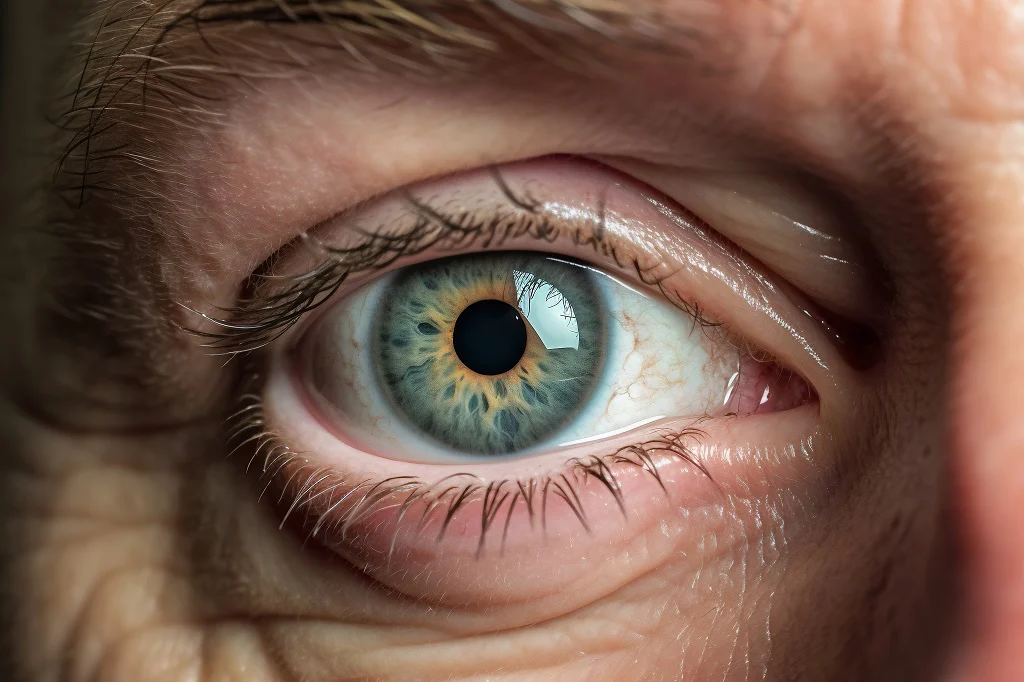
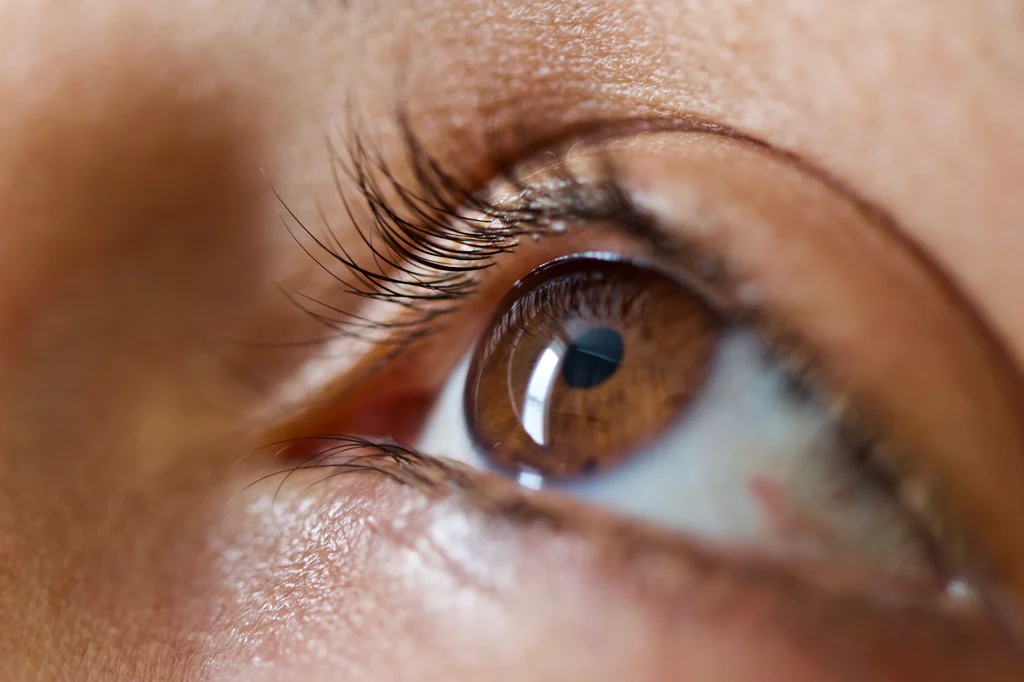
The question of what causes dry eye can be answered through two main factors: a reduced tear film layer and reduced tear production. In addition, we can also look at other factors that contribute to dry eye, even if they are not as influential as the main ones.
In a healthy eye, the tears must be sufficiently nourishing. For this, there should be no problem in any of the 3 basic layers.
This is the first and deepest layer of the tear film. It covers the surface of the eye, and when it is deficient, regional epithelial defects can appear on the corneal surface.
This layer, which also contains a certain amount of salt, is produced by the tear glands. It is the layer that plays a direct role in cleaning the eye. If this layer is not produced in sufficient amounts, the mucus layer and the lipid layer come into contact, and the quality of the tears again deteriorates.
This is the outermost layer and one of the most important in terms of dry eye. It is secreted by the meibomian glands located right at the edges of the eyelids. This layer, which contains lipid, prevents tears from evaporating quickly. If it is not produced in sufficient quality and quantity, rapid evaporation of the aqueous layer causes dry eye. Blockage of the meibomian glands is among the leading causes of dry eye.
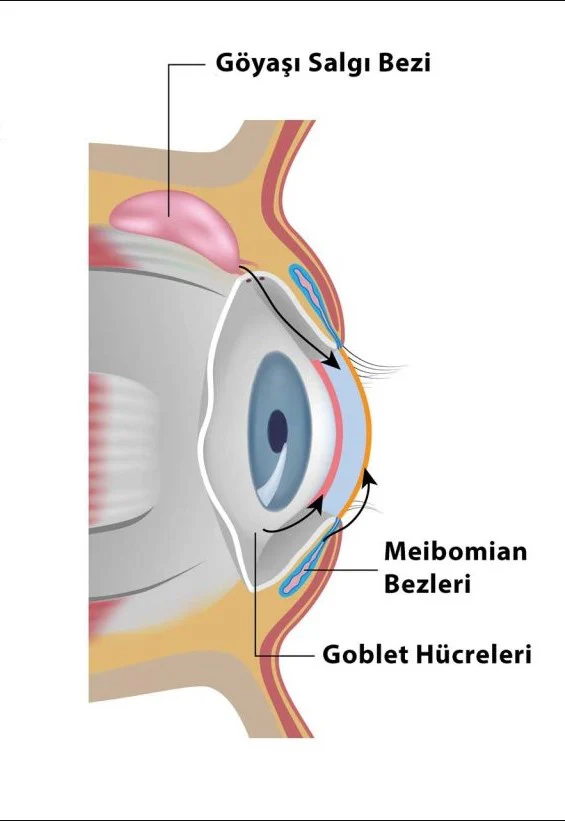
We described reduced tear production as the second major factor among the causes of dry eye. This factor can come up in different scenarios. We can see tear production decrease because of factors such as hormonal changes, aging, trauma to the surface of the eye, diseases such as rheumatoid arthritis, diabetes and, in some cases, allergies. When tear production is affected and not enough tears are produced, the effect of dry eye will also increase over time.
Symptoms can vary from person to person. But speaking in the most general terms, we can also classify the symptoms of dry eye.

With dry eye, increasing redness appears on the surface of the eye. Over time, this redness on the eye’s surface may increase.
As a result of the dryness, a burning and stinging sensation can also occur, although it is often temporary. It is also possible to see this effect increase over time.
Sensitivity to light, which we can list among the symptoms of dry eye, is especially noticeable in environments with intense light sources. It can also cause effects such as disturbances in vision and headaches.
Undesirable levels of dryness on the eye’s surface can also degrade the quality of vision over time. We can also list blurred vision and disturbances in vision among the symptoms.
This symptom, which appears during prolonged focusing and digital screen use, presents as a feeling of excessive tiredness in the eyes. It creates an urge to close the eyes or blink constantly.
Treatment needs to be considered among different alternatives. Rather than talking about a single-track treatment, we can consider a stepwise form of treatment. In addition, the cause of the disease will be a direct factor in the choice of treatment.
It is one of the treatments used against blockage of the meibomian glands, the most common cause of dry eye. The treatment uses special FDA-approved devices.
In the procedure, gentle pressure and heat are applied to the eyelids to open the blockage in the meibomian glands. In this way, the meibomian glands, which are responsible for producing the oily layer, are cleared and the biggest cause of the dryness is eliminated.
Depending on the patient’s condition and the doctor’s recommendation, the treatment is repeated at certain intervals, which also minimizes the likelihood of the eyelid glands becoming blocked again.
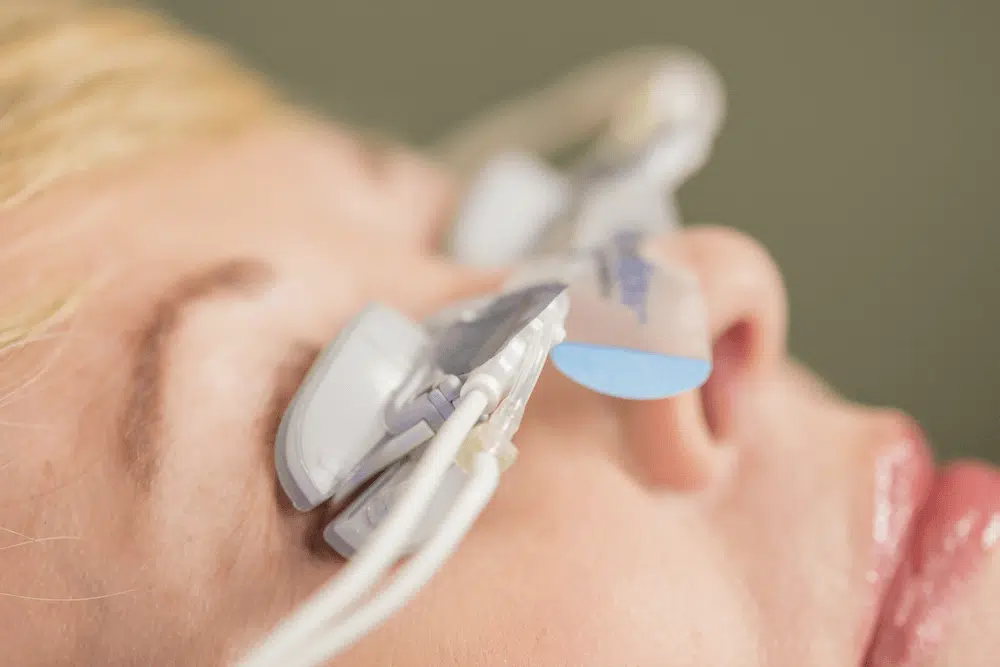
It can be considered as a whole together with LipiFlow treatment. Both treatments are technological approaches to treating dry eye. IPL treatment is a light-based therapy. In the procedure, protective goggles are first placed over the eyes, and then strong light waves are used to soften and gradually open the blockages in the meibomian glands.

You can contact me about your condition, my treatment methods and anything else you would like to know.
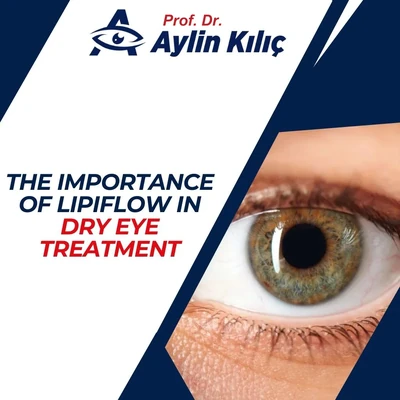 The Importance of LipiFlow in Dry Eye Treatment
Read more
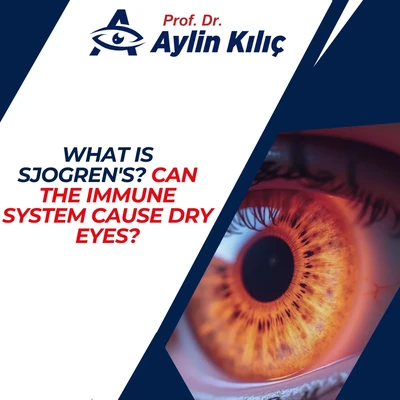 What is Sjögren’s? Can the Immune System Cause Dry Eyes?
Read more
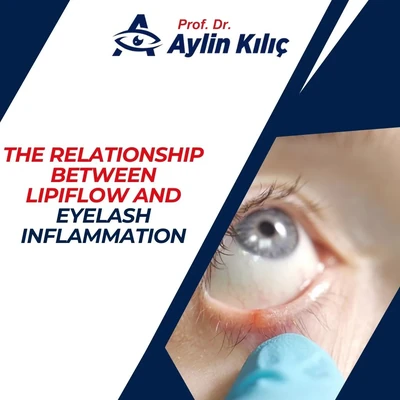 The Relationship Between LipiFlow and Eyelash Inflammation
Read more
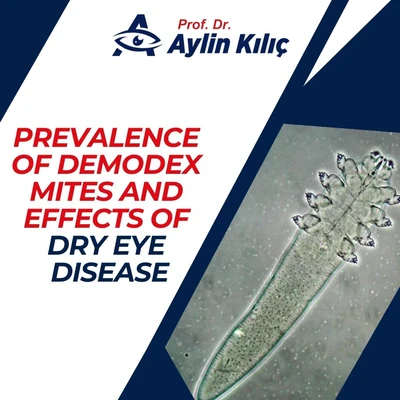 Prevalence of Demodex Mites and Effects of Dry Eye Disease
Read more
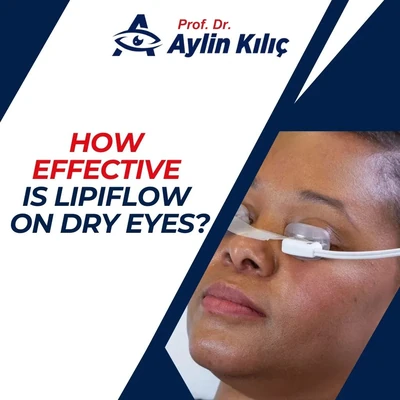 How Effective is Lipiflow on Dry Eyes?
Read more
 Tea Tree Oil and Its Effect on Eyelash Parasites
Read more
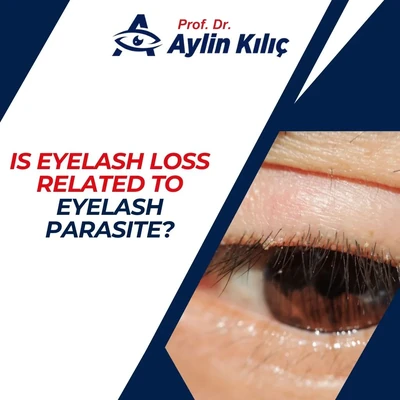 Is Eyelash Loss Related to Eyelash Parasite?
Read more
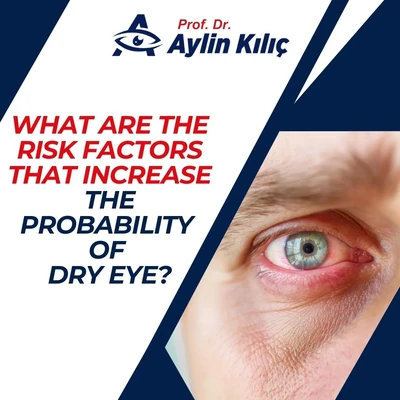 What are the Risk Factors that Increase the Probability of Dry Eye?
Read more