test

Prof. Dr. Aylin Kılıç Eye Diseases and Surgery
Keratoconus is a progressive eye disease that occurs when the cornea (the clear front layer of the eye) thins and bulges forward. This condition causes impaired vision and, if not noticed early, can progress and seriously reduce vision.

Prof. Dr. Aylin Kılıç played a critical role in the design and development of KeraNatural, an innovative approach to the treatment of keratoconus. As the first female ophthalmologist invited to collaborate by “VisionGift,” a leading eye bank in the United States, she earned the title “Mother of KeraNatural.”
One of the most effective methods for stopping the progression of keratoconus is corneal cross-linking (CXL). This treatment strengthens the cornea by binding the collagen fibers in the corneal tissue more tightly together and stops the progression of the disease.
Keratoconus is a progressive eye condition that arises when the shape of the cornea becomes distorted and directly causes impaired vision.
Depending on the degree of the disease, there may be cases in which the patient's vision is almost entirely lost. It is necessary to intervene and determine a treatment course before serious vision loss occurs.
The cornea is the outermost layer of the eye, located at the very front; it is a transparent layer with a regular dome shape. This layer, which is important for vision, allows light to focus correctly in a healthy eye. The answer to the question what is keratoconus also lies in the cornea.
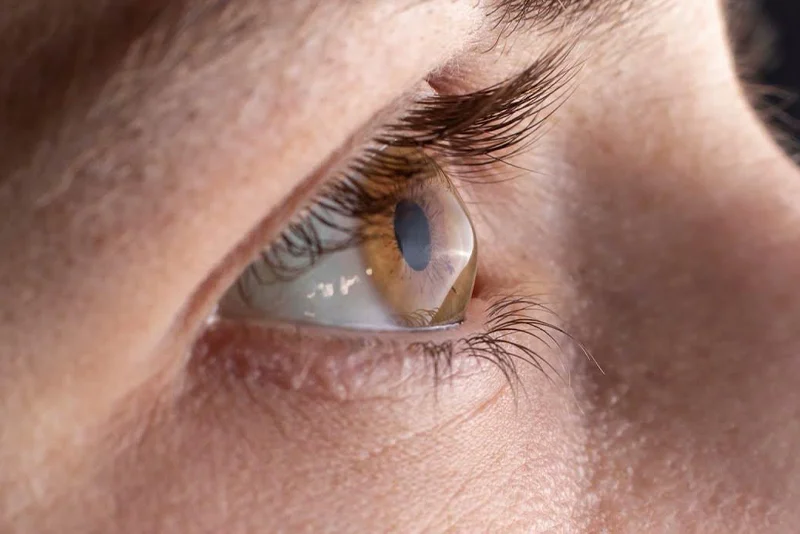
Keratoconus is an eye disease that occurs when the cornea's regular dome shape becomes distorted and it thins to a point, protruding forward. Because of this distortion in the cornea's shape, light entering the eye cannot focus correctly on the center of vision. The patient's vision begins to deteriorate according to the degree of this distortion.
Patients face blurred vision and distorted vision that increases over time. They experience noticeable vision problems in activities such as driving or reading.
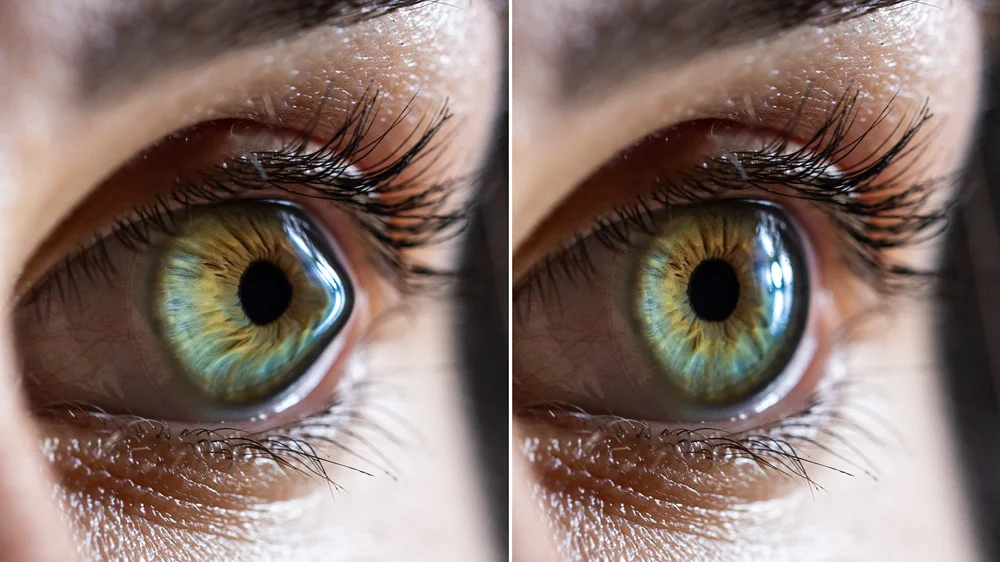
Although there is a clear answer to the question what is keratoconus, it is not possible to give a definitive answer to the question what causes keratoconus.
Scientific research has not been sufficient to reach a firm conclusion about the causes of the disease. Nevertheless, certain factors stand out in the research as possible causes of the disease. Let us give more information about what may cause the disease through these factors.
The biggest cause of keratoconus is rubbing the eyes. Rubbing the eyes because of itching or for any other reason places a certain amount of pressure on the cornea. This pressure is the biggest cause of the cornea losing its shape.
For this reason, patients with dry eye in particular need to avoid scratching or rubbing their eyes and to get treatment for the dry eye that creates this sensation.

All of these can be cited among the causes of keratoconus, but let us remind you once again that the exact causes have not yet been determined or scientifically proven.
In traditional (classic) CXL treatment, the epithelium, the top layer of the cornea, is removed, and ultraviolet (UV) light is applied after riboflavin (vitamin B2) drops are instilled.
In the Trans-Epithelial Cross-Linking (Epi-On) method, however, the epithelial layer is not removed. Riboflavin passes into the corneal tissue thanks to specially developed permeable solutions, and the procedure is performed entirely no-touch.
The procedure is performed under drop anesthesia. Riboflavin drops are applied to the eye for approximately 10–15 minutes, and then a special UV light is delivered to the cornea for approximately 10–15 minutes.
The total procedure takes 25–30 minutes on average. Antibiotic and lubricating drops are used after the procedure.
Trans-epithelial Cross-Linking is preferred particularly:
Trans-epithelial Cross-Linking is a more comfortable, safe and modern method developed to stop the progression of keratoconus.
By applying this new technology, we now offer our patients a less painful, faster-healing treatment option.
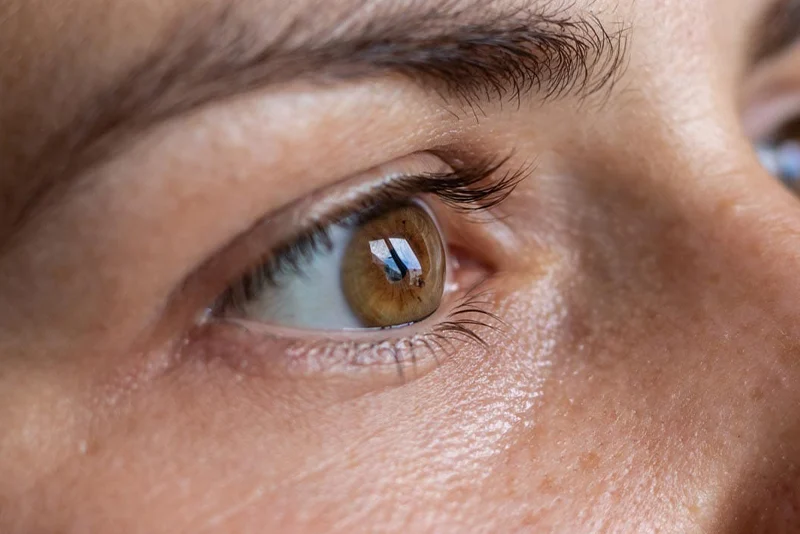
Which treatment to choose and what treatment process to follow must always be decided with a specialist doctor. We should also point out that the doctor’s experience and skill are very important here. A roadmap for treatment will be drawn up after a detailed examination.
In addition, after the chosen operation, the patient must follow all of the doctor’s advice and avoid rubbing the eyes. As we said at the outset, eye rubbing is one of the most important factors in keratoconus and can result in the patient having vision problems again after treatment.
It should also be remembered that this is a progressive disease. Regular eye examinations are also important for early diagnosis and treatment.
You can contact me about your condition, my treatment methods and anything else you would like to know.
test
 Does Vision Increase with CAIRS Technique in Keratoconus Treatment?
Read more
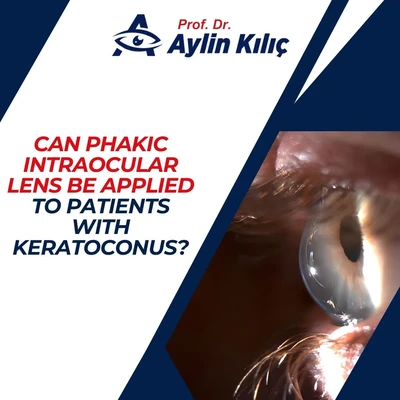 Can Phakic Intraocular Lens Be Applied to Patients with Keratoconus?
Read more
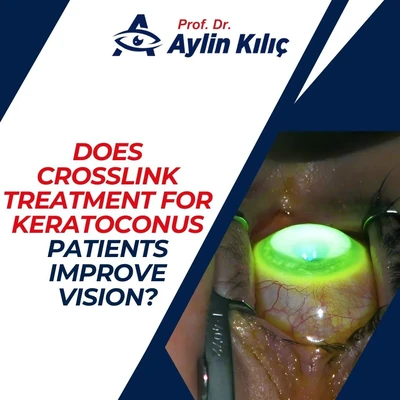 Does Crosslink Treatment for Keratoconus Patients Improve Vision?
Read more
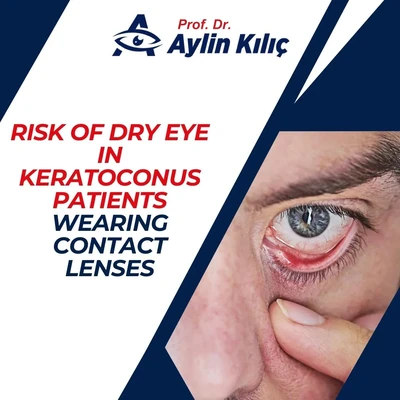 Risk of Dry Eye in Keratoconus Patients Wearing Contact Lenses
Read more
 Is Wearing Glasses Compulsory in Keratoconus?
Read more
 Can Keratoconus Occur in Children? Is Early Diagnosis Important?
Read more
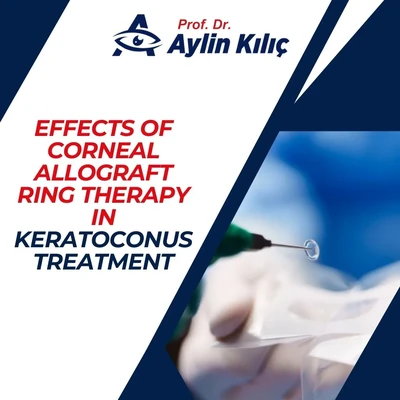 Effects of Corneal Allograft Ring Therapy in Keratoconus Treatment
Read more
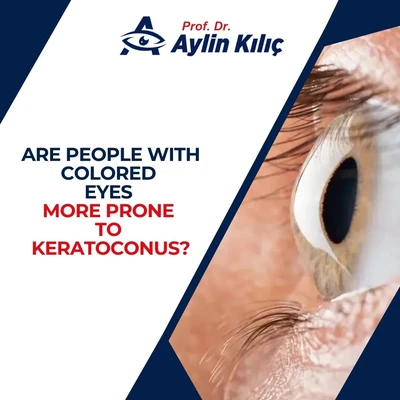 Are People with Colored Eyes More Prone to Keratoconus?
Read more