
Prof. Dr. Aylin Kılıç Eye Diseases and Surgery
In the cornea, the most transparent layer of the eye, various kinds of damage can occur, sometimes due to disease and sometimes due to physical impact.

Depending on the damage that has occurred, we can also say that this condition affects vision. Loss of sharpness in vision, or spots that interfere with clear vision, may be experienced. This is where PTK Laser (phototherapeutic keratectomy) comes in as one of the available treatments. What exactly is the procedure used for? What advantages does it offer patients? What is PTK Laser? Let's take a look.
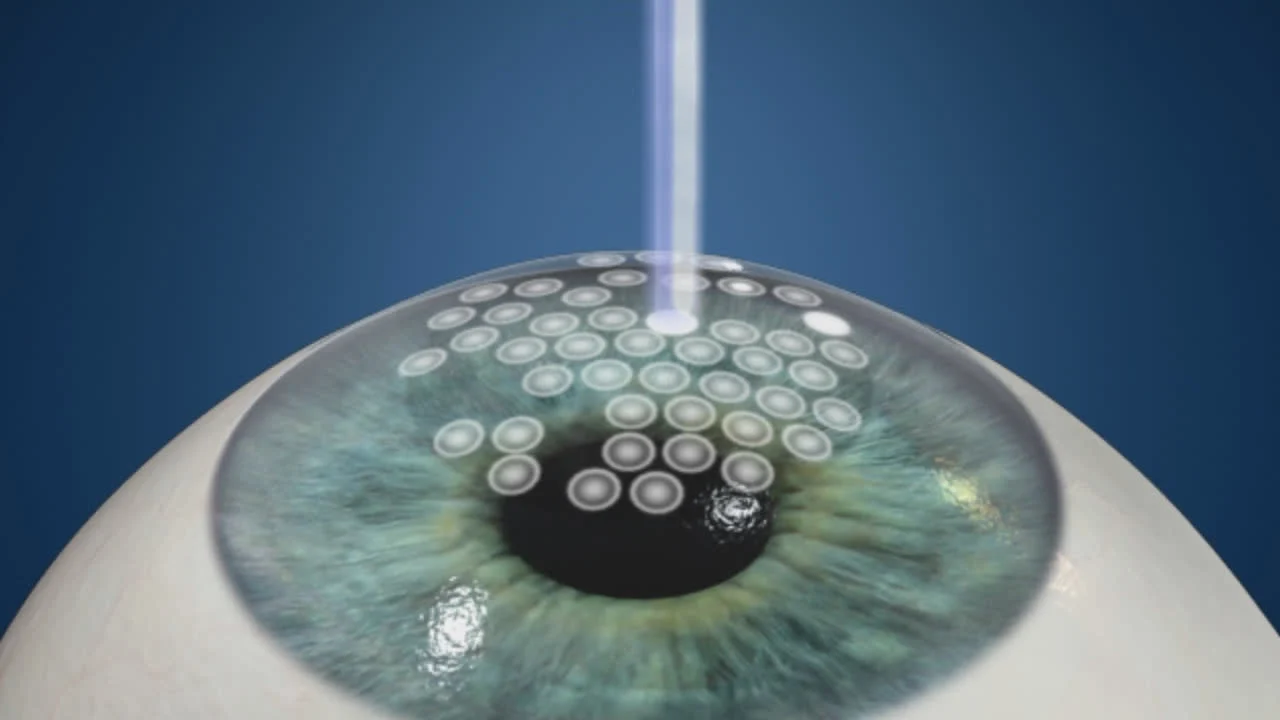
PTK is a specialized laser eye surgery used to correct superficial abnormalities in the cornea, with the main goal of correcting vision.
It removes irregularities that interfere with the eye’s clear vision, such as dystrophies, corneal scars or spots in the corneal layer. The procedure is effective for surface scars and epithelial disorders, and it uses excimer laser technology. We can list its uses in several points. These are;
The procedure proceeds similarly to other laser operations. Basically, the patient is first made comfortable and the eye is prepared for the operation. The specialist physician then performs the procedure. For a clearer explanation, let us go over the steps of the procedure one by one.
We can say that the recovery process begins after this stage. During recovery, the most important thing to pay attention to will be following the routines your doctor specifies. You should not skip the eye drops you are given. You should also attend your follow-up visits on time and follow your doctor's guidance.
Now that we have explained what the treatment is and how it is performed, we can move on to a short Q&A based on the most frequently asked questions.
This is one of the most frequently asked questions. PTK is, after all, a laser procedure. Laser treatments naturally involve a recovery process. For PTK, the recovery process varies from a few days to a few weeks. Why the operation is performed and how long it takes directly affect the recovery process. If you have an operation that lasts a long time and involves more work on the eye, the recovery process may be longer.
Even so, at the longest, recovery is expected to be complete within a few weeks. During this period;
We should note that these are generally temporary problems and are expected to go away on their own after the recovery process.
The risks are very low. However, this is an operation after all, and as with all other procedures, there are some operative risks here as well. We can list the risks that may occur, even if rarely, as follows;
To minimize the level of risk and to be more resilient, especially against the burning and stinging sensation, remember that it is also important to bring the ocular surface to an optimal level before surgery. The approach is to optimize the ocular surface with methods such as Laser PrimeCare and then proceed to the laser treatment.
As well as minimizing the risks, this can help you get the maximum benefit from the recovery process. If you would like more detailed information about Laser PrimeCare, we are adding a link here.
You can contact me about your condition, my treatment methods and anything else you would like to know.
 What is PTK Laser (Phototherapeutic Kerarectomy)? Why is it Preferred?
Read more
 What is YAG Laser? What is the Relationship with Cataract?
Read more
 What is LASEK? What are the Differences and Advantages?
Read more
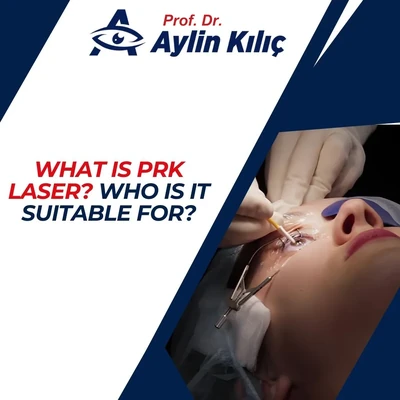 What is PRK Laser? Who is it Suitable for?
Read more
 What are the Three Most Important Elements for Ideal Laser Surgery?
Read more
 Can Blindness Develop After Laser Surgery?
Read more
 Can High Astigmatism be Corrected with Laser?
Read more
 How much thinner is our cornea in laser surgery?
Read more